A tidy closet can make mornings easier, protect your clothing, and help you make better use of the space you have. The key is not organizing everything once and hoping it stays that way. A closet stays organized when its layout is practical and its upkeep takes only a few minutes.
Whether you have a large walk-in closet or a small reach-in space, these simple tips can help you create a system that works for your routine.
Start With a Complete Closet Reset
Before adding bins, hangers, or shelves, take everything out of the closet. This may seem like extra work, but it gives you a clear view of what you own and lets you clean the space properly.
As you empty the closet, group similar items together:
– Shirts and blouses
– Pants and skirts
– Dresses and suits
– Sweaters and jackets
– Shoes
– Bags and accessories
– Seasonal items
Wipe shelves, vacuum the floor, and dust corners before putting anything back. A clean starting point makes the finished closet feel fresher and helps you notice storage problems that may have been hidden.
Sort Items by Use
Once everything is visible, sort your belongings into a few simple categories:
- Keep and wear regularly
- Keep but use occasionally
- Repair or alter
- Donate or pass along
- Recycle or discard
Be honest about what belongs in your everyday closet. If an item no longer fits, feels uncomfortable, or has not been worn in a long time, it may be taking up useful space.
Try not to make decisions based only on how much an item cost. Instead, consider whether it works with your current lifestyle and whether you would choose it today. Set aside uncertain pieces in a labeled box and review them again after a month or two.
Choose a System That Matches Your Habits
There is no single correct way to arrange a closet. The best system is the one you can follow without much thought.
You might organize clothing by:
– Type, such as shirts, pants, and jackets
– Color, from light to dark
– Season
– Workwear, casual wear, and special-occasion clothing
– Frequency of use
Many people find it helpful to combine these methods. For example, place everyday clothing at eye level, group it by type, and arrange each category by color. Store less frequently used items on higher shelves or in clearly labeled containers.
If you often get dressed quickly, keep your most-used clothing together. If you plan outfits in advance, organize clothing by category and color so pieces are easy to find.
Use Matching Hangers
Matching hangers create a cleaner appearance and make it easier to see your clothing. Slim hangers can also save space, especially in a small closet.
Choose hangers that fit your needs:
– Use sturdy hangers for coats, jackets, and heavier clothing.
– Use padded hangers for delicate fabrics.
– Use nonslip hangers for silky or slippery items.
– Use clip hangers for skirts and pants.
– Avoid wire hangers that can stretch or misshape clothing.
Keep the same type of hanger facing the same direction. This small detail makes the closet easier to scan and encourages you to return items to their proper place.
Make the Most of Vertical Space
Closets often have unused space above hanging rods or on the backs of doors. Look for ways to use these areas without making the closet difficult to access.
Helpful options include:
– Stackable shelf risers
– Hanging shelf organizers
– Over-the-door shoe or accessory racks
– Hooks for bags, scarves, or belts
– A second hanging rod for shorter clothing
– Labeled bins for seasonal items
Avoid filling every inch. Leave enough room to remove items without pulling down a stack or knocking over nearby belongings. A little open space makes the closet easier to maintain.
Store Folded Items Carefully
Not every item needs to be hung. Sweaters, T-shirts, workout clothing, pajamas, and jeans often work well when folded.
Use shelves or drawers for folded clothing, and keep stacks low enough that they do not topple. A filing-style fold, where clothing is placed upright in a drawer, can make each item easier to see. This prevents the common problem of pulling out one shirt and disturbing an entire stack.
Heavy sweaters should be folded rather than hung, since hangers may stretch the shoulders. Place them on a shelf or in a breathable storage container.
Keep Shoes and Accessories Contained
Shoes and accessories can quickly make a closet look untidy because they are often small, varied, and difficult to stack. Give each type of item a specific home.
For shoes, consider:
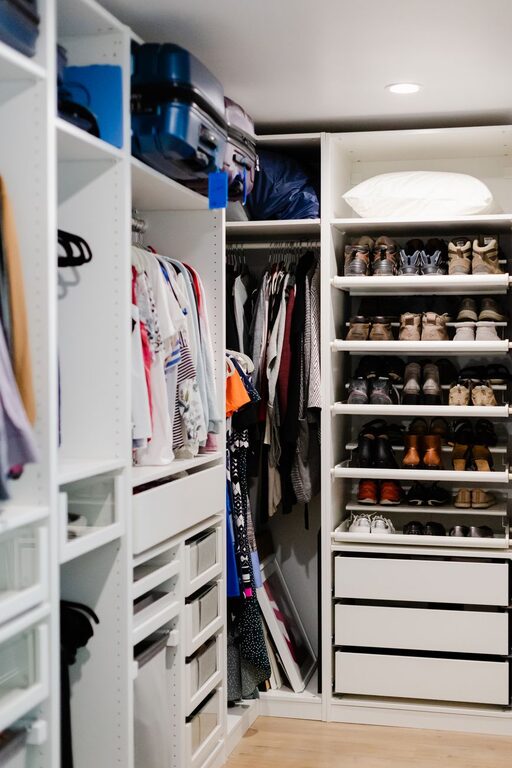
– A low shoe rack
– Clear boxes
– Cubby shelves
– A rotating shoe organizer
– A designated row on the closet floor
Store shoes in pairs and place the most-used ones within easy reach. Clean or air out footwear before putting it away.
For accessories, use small bins, drawer dividers, hooks, or trays. Keep belts together, store scarves in one container, and use a dedicated place for hats and gloves. Avoid using a single large box for everything, since small items can quickly become difficult to find.
Label Storage Containers
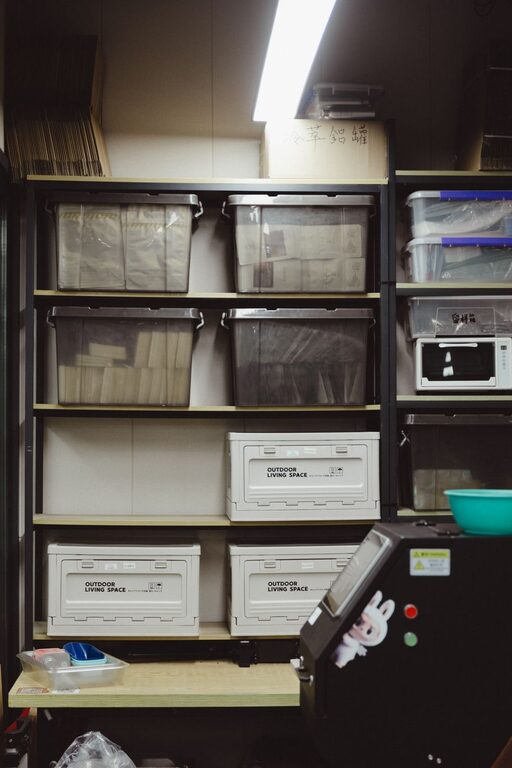
Labels make it easier for everyone in the household to return items to the right place. They are especially useful for high shelves, under-bed containers, and seasonal storage.
Use simple labels such as:
– Winter clothing
– Extra bedding
– Travel bags
– Special occasion items
– Cold-weather accessories
– Donations
Clear containers let you see the contents, while opaque bins can give the closet a more uniform look. Whichever option you choose, make sure the labels are easy to read and placed where you can see them.
Create a One-In, One-Out Rule
A closet becomes crowded when new items come in but old items never leave. The one-in, one-out rule helps limit this problem. When you add a new shirt, pair of shoes, or jacket, consider removing an older item in the same category.
You do not have to follow this rule perfectly, but it is a useful reminder to think about space before buying or accepting more clothing. Keep a donation bag in or near the closet so items you no longer need have a clear destination.
Build Small Maintenance Habits
The easiest way to keep a closet tidy is to handle small tasks regularly instead of waiting for a major cleanup.
Try these habits:
– Return clothing to its proper place after wearing it.
– Hang or fold clean laundry promptly.
– Place worn clothing in a hamper rather than on the floor.
– Put shoes away when you take them off.
– Remove damaged items as soon as you notice them.
– Spend five minutes each week restoring order.
At the end of each season, review clothing that is no longer needed and move seasonal items to less accessible storage. This keeps everyday areas clear and gives you a chance to correct small problems before they grow.
Make the Closet Easy to Use
A beautiful closet is helpful, but a practical closet is more likely to stay organized. Keep frequently used items within reach, avoid overstuffed shelves, and choose storage solutions that fit the space.
If you have to move several boxes to reach a sweater or search through a crowded drawer for socks, the system needs adjusting. Observe what causes the most frustration and change one part at a time.
The goal is not perfection. It is to create a closet where every item has a logical home and putting things away feels simple. With thoughtful sorting, accessible storage, and a few regular habits, your closet can stay tidy with much less effort.
About the Author