Composting is a simple way to turn kitchen scraps and yard waste into a useful soil amendment. Instead of sending suitable organic materials to the trash, you can let them break down naturally and use the finished compost in gardens, planters, and around trees.
Starting a compost pile does not require expensive equipment or expert knowledge. With the right mix of materials, moisture, air, and patience, most beginners can create compost at home. The following tips will help you choose a setup, know what to add, and avoid common problems.
Choose the Right Composting Method
The best composting method depends on your space, climate, and the amount of organic waste your household produces.
Outdoor compost bins
An outdoor bin is a popular choice for homes with a yard. You can purchase a commercial compost bin or make a simple enclosure from wood, wire mesh, or other suitable materials. Choose a location with good drainage and convenient access from both the kitchen and garden.
A bin should allow some airflow while keeping the materials contained. Partial shade can help prevent the pile from drying out, although a little sunlight is not a problem.
Compost tumblers
Compost tumblers are enclosed containers that can be rotated to mix the materials. They are often tidy and easy to turn, making them useful for small yards. However, they may hold less material than a traditional bin and can dry out or become too wet if the balance is not monitored.
Indoor and small-space options
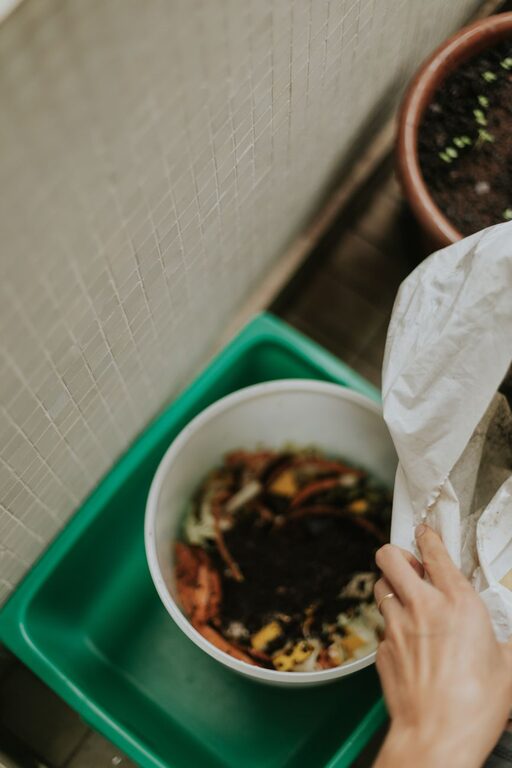
People without yards can try a worm bin or an electric countertop composter. Worm bins use special composting worms to process food scraps in a small container. They work well indoors or on a balcony when maintained properly.
Countertop appliances usually dry, grind, or heat food scraps rather than create traditional compost. The resulting material may still need further processing before being added to soil, so follow the manufacturer’s instructions.
Learn the Two Main Material Groups
A healthy compost pile needs a balance of “green” and “brown” materials.
Green materials
Green materials are generally moist and rich in nitrogen. They help microorganisms grow and break down the pile. Common examples include:
– Fruit and vegetable scraps
– Coffee grounds and paper filters
– Fresh grass clippings
– Fresh plant trimmings
– Tea leaves and most paper tea bags
– Crushed eggshells
Brown materials
Brown materials are usually dry and rich in carbon. They add structure and help air move through the pile. Examples include:
– Dry leaves
– Small twigs
– Shredded plain paper
– Torn cardboard
– Untreated wood chips
– Straw
– Paper egg cartons
A common beginner mistake is adding too many food scraps at once. If the pile contains a large amount of green material, it may become wet or develop an unpleasant smell. Add a layer of brown material whenever you add a substantial amount of food waste.
Know What to Compost
Many everyday organic materials are suitable for a home compost pile. Fruit and vegetable scraps are among the easiest items to compost. You can also add coffee grounds, tea leaves, crushed eggshells, dry leaves, grass clippings, and untreated paper or cardboard.
Cutting large pieces into smaller pieces can help them break down faster. For example, chop thick vegetable stems, tear cardboard into small sections, and crush eggshells before adding them.
Some materials are best left out of a basic backyard compost pile. Avoid adding:
– Meat, fish, bones, and seafood scraps
– Dairy products
– Oils, grease, and heavily cooked foods
– Pet waste
– Diseased plants
– Weeds with mature seeds
– Coal or charcoal ash
– Glossy, coated, or heavily printed paper
– Treated or painted wood
These materials can attract pests, create odors, spread unwanted plant problems, or break down slowly. Local composting programs may accept some items that are not suitable for a home pile, so check local guidelines when in doubt.
Build the Pile in Layers
Start with a layer of coarse brown material, such as small twigs or dry leaves. This helps air enter from the bottom. Add alternating layers of green and brown materials, or mix them together as you go.
There is no need to measure every ingredient precisely. As a general guide, use more brown material than green material by volume. A practical approach is to add two or three handfuls of dry leaves or shredded cardboard whenever you add a handful of food scraps.
Cover fresh food scraps with a layer of brown material. This can reduce odors and make the pile less attractive to insects and animals.
A compost pile works best when it is large enough to retain heat and moisture. A pile that is at least three feet wide, three feet deep, and three feet tall often breaks down more efficiently than a very small pile. Smaller piles can still produce compost, but the process may take longer.
Maintain Moisture and Airflow
Moisture is essential because microorganisms need water to work. The pile should feel damp, similar to a wrung-out sponge. If it is too dry, lightly sprinkle it with water and mix in fresh green materials.
If the pile is soggy, add dry leaves, shredded cardboard, or small twigs. These materials absorb excess moisture and improve airflow.
Turning the pile introduces oxygen and distributes moisture. Use a garden fork or compost aerator to mix the outer materials into the center. Turning every one to two weeks is a good starting point, although you can turn it more often if the pile is compacted or slow to break down.
Solve Common Composting Problems
Bad odors
A strong smell often means the pile is too wet or contains too much green material. Add dry brown materials and turn the pile to improve airflow. Avoid adding large amounts of food scraps at once.
The pile is not breaking down
A dry pile, limited airflow, or very large pieces can slow decomposition. Add a small amount of water, mix the materials, and chop or tear bulky items into smaller pieces.
Cold weather can also slow the process. The pile may become active again as temperatures rise.
Pests are visiting
Bury food scraps in the center of the pile and cover them with brown material. Use a secure bin with a lid if animals are a concern. Do not add meat, dairy, or greasy foods to a basic backyard compost pile.
The pile is too wet
Mix in dry leaves, torn cardboard, or shredded plain paper. Keep the bin away from areas where rainwater collects, and make sure excess water can drain.
Know When Compost Is Finished
Finished compost is dark, crumbly, and earthy-smelling. Most of the original materials should no longer be recognizable, although a few small twigs or eggshell pieces may remain.
Depending on the materials, weather, and maintenance, compost can take several months to a year to mature. You can sift out larger pieces and return them to the active pile.
Use finished compost by mixing a thin layer into garden soil, adding it around established plants, or blending it into potting materials. Avoid using large amounts of unfinished compost directly around delicate plants, since it may still be actively breaking down.
Keep the Process Simple
The easiest way to stay consistent is to keep a small container near the kitchen for collecting scraps. Empty it regularly, rinse it as needed, and add the contents to the compost bin with enough brown material.
Do not worry about making the perfect pile from the beginning. Composting is a learning process. Observe the moisture, smell, and texture, then make small adjustments. With a little attention, your household scraps and yard waste can become a valuable resource for healthier soil and a less wasteful home.
About the Author