Small spaces can feel comfortable and inviting, but clutter builds quickly when every shelf, drawer, and corner has a job. The solution is not always buying more storage containers. Often, it means using overlooked areas, choosing furniture carefully, and creating a simple home for everything you own.
These small space storage ideas can help you organize your home without making it feel crowded. Whether you live in an apartment, a compact house, or a room with limited closet space, these practical strategies can make daily life easier.
Start by Using Vertical Space
When floor space is limited, look up. Walls offer valuable storage without taking up much room.
Install shelves above desks, sofas, beds, and countertops. Floating shelves are especially useful because they provide storage while keeping the floor clear. Use them for books, baskets, framed photos, small plants, or everyday items.
Tall bookcases and narrow shelving units can also make good use of vertical space. Look for designs that are slim but tall, rather than wide and low. In a kitchen, a tall shelf can hold pantry goods, dishes, or small appliances. In a bathroom, it can store towels and toiletries.
Make Wall Storage Practical
Wall-mounted storage works best when it is easy to reach and suits the room. Consider:
– Pegboards for kitchens, offices, or craft areas
– Hooks near entryways for coats, bags, and keys
– Magnetic strips for metal kitchen tools
– Wall-mounted baskets for mail and small accessories
– Rail systems for hanging cleaning supplies or utensils
Keep the items you use most often at eye level. Store less frequently used items on higher shelves.
Choose Furniture With Built-In Storage
In a small room, every piece of furniture should do more than one job when possible. Storage furniture reduces clutter without adding extra items.
A bed with drawers underneath can hold clothing, shoes, linens, or seasonal items. If replacing the bed is not an option, use low storage boxes or fabric bins that slide underneath. Choose containers with lids if the area tends to collect dust.
Other useful choices include:
– Ottomans with hidden storage
– Benches with lift-up seats
– Coffee tables with shelves or drawers
– Nightstands with multiple compartments
– Desks with built-in drawers
– Sofas with storage under the seats
Before buying a storage piece, measure the available area carefully. Check the height, width, depth, and space needed to open doors or drawers. A storage unit that blocks a walkway can make a room feel more crowded.
Improve Closet Storage
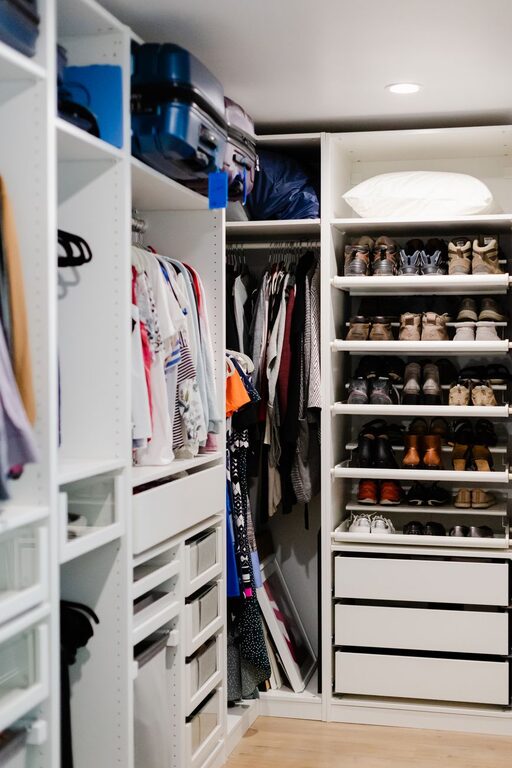
Closets often hold more when they are organized by function instead of simply packed full. Start by removing clothing and accessories you no longer wear. Then group similar items together, such as shirts, pants, shoes, and bags.
Add a second hanging rod if the closet has unused space below shorter clothes. This can nearly double the amount of hanging room. Slim hangers can also save several inches compared with bulky plastic or wooden hangers.
Use the closet door as additional storage. Over-the-door organizers can hold shoes, scarves, cleaning products, or small accessories. Hooks are helpful for robes, belts, and everyday bags.
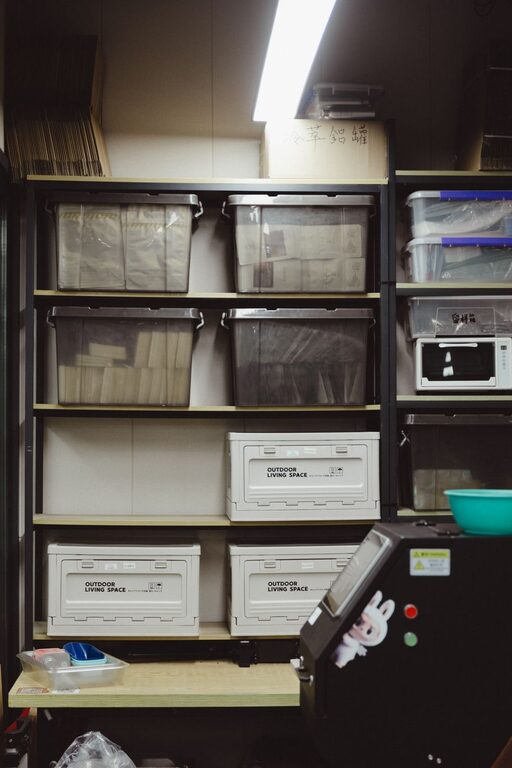
For shelves, use labeled bins or baskets to keep small items contained. Clear containers make it easier to see what is inside, while fabric bins create a softer appearance. Choose one type of container for each area so the closet looks orderly.
Make the Entryway Work Harder
A small entryway can become cluttered with shoes, coats, umbrellas, and bags. Even a narrow wall can support a useful storage system.
Install a row of hooks at a comfortable height for coats and bags. Add a small shelf above the hooks for hats, gloves, or baskets. If there is enough floor space, place a slim bench with shoe storage underneath.
For very tight entrances, consider:
– A wall-mounted coat rack
– A narrow shoe cabinet
– A small tray for keys and sunglasses
– Hooks on the inside of a closet door
– A basket for reusable shopping bags
Keep only the items used regularly near the entrance. Store seasonal coats and special-purpose shoes elsewhere to prevent the area from becoming overloaded.
Use the Space Under Cabinets
The area under kitchen cabinets is often ignored. A few simple additions can make it useful without changing the layout.
Attach hooks under cabinets for mugs, measuring spoons, or small utensils. A shallow rail can hold cooking tools, while a magnetic strip can keep frequently used metal items within reach. Under-shelf baskets create another level of storage inside cabinets and cupboards.
In the bathroom, use stackable bins under the sink. Add a small tension rod to hang spray bottles, leaving the bottom area open for other supplies. Door-mounted pockets can hold brushes, hair products, or cleaning cloths.
Keep these areas easy to clean. Avoid storing items directly on the floor under a sink, where leaks can cause damage. Use washable bins or trays instead.
Organize Awkward Corners
Corners and narrow gaps may not fit standard furniture, but they can still provide useful storage.
A slim rolling cart can slide between a refrigerator and a wall, beside a washer, or between a desk and a cabinet. Use it for pantry items, laundry supplies, office materials, or toiletries.
Corner shelves can hold decorative items and everyday essentials. A small triangular shelf unit may fit where a rectangular bookcase cannot. Even a simple basket in an unused corner can collect blankets, toys, or extra pillows.
Do Not Ignore the Back of Doors
The back of a door is a convenient place for lightweight storage. Use hooks, hanging organizers, or shallow racks for items such as:
– Shoes
– Cleaning products
– Hair tools
– Wrapping supplies
– Scarves and hats
– Small office accessories
Make sure the organizer does not prevent the door from closing. Keep heavier items on securely mounted systems rather than lightweight hanging pockets.
Create Storage in the Kitchen
A small kitchen benefits from reducing countertop clutter. Store appliances that are used only occasionally in cabinets, on high shelves, or in a nearby closet. Keep the countertop reserved for items used daily.
Use drawer dividers for utensils and adjustable shelf risers for plates, bowls, and cans. Stackable containers can make pantry shelves more efficient, especially when they are labeled and uniform in size.
Other helpful ideas include:
– A cutting board that fits over the sink
– A slim cart for pantry supplies
– Hooks inside cabinet doors
– A hanging rail for cooking utensils
– Nesting bowls and measuring cups
– A wall-mounted paper towel holder
Avoid filling every available space. Leave enough room to remove items easily, or storage will become frustrating to use.
Keep Storage Flexible
The best storage systems can change as your needs change. Choose adjustable shelves, modular cubes, stackable bins, and movable carts when possible. These options can be rearranged when your belongings or room layout changes.
Use labels to make shared storage easier to maintain. Labels are especially useful for seasonal items, paperwork, children’s belongings, and kitchen supplies.
Finally, review your storage once or twice a year. Remove items you no longer need, return misplaced belongings to their proper areas, and adjust containers that are no longer working. Small spaces stay organized more easily when storage is simple, visible, and easy to maintain.
About the Author