A dark room can feel cozy, but it may also seem smaller, duller, or less inviting than you would like. The good news is that you do not need a major renovation to make it brighter. A few thoughtful updates can reflect more light, improve the room’s atmosphere, and make the space feel open and comfortable.
From choosing lighter colors to arranging furniture more carefully, these simple ideas can help brighten almost any room.
Start With a Lighter Color Palette
Wall color has a strong effect on how bright a room feels. Light shades reflect more light around the space, while very dark colors tend to absorb it.
White is a classic choice, but it is not your only option. Consider soft shades such as:
– Warm white
– Pale gray
– Light beige
– Soft blue
– Gentle green
– Cream
– Blush pink
If the room receives little natural light, avoid colors that feel too cool or flat. Warm whites and soft neutrals can make the space feel more comfortable and welcoming.
You do not have to repaint every wall. Painting one dark accent wall a lighter shade may be enough to change the overall feel. You can also brighten the ceiling with a clean white or very pale color to make the room appear taller.
Choose the Right Paint Finish
A washable satin or eggshell finish can reflect a small amount of light without looking overly glossy. Flat paint may create a softer appearance, but it absorbs more light. For walls, a subtle finish is usually a practical balance between brightness and style.
Add More Than One Light Source
A single ceiling light often leaves corners and walls in shadow. Instead, use several light sources at different heights. This creates a more even glow and makes the room feel warmer.
Try combining:
– A ceiling fixture for general lighting
– A floor lamp beside a chair or sofa
– Table lamps on side tables or a console
– Wall sconces near artwork or a bed
– Small accent lights on shelves
– Under-cabinet lighting in a kitchen or work area
Place lights in darker corners rather than grouping them all in the center of the room. A lamp aimed at a wall can softly spread light across a larger area.
Choose bulbs with a brightness suited to the room’s purpose. Warm white bulbs work well in living rooms and bedrooms, while neutral white light may be useful in kitchens, offices, and bathrooms. If possible, install dimmer switches so you can adjust the mood throughout the day.
Use Mirrors to Reflect Light
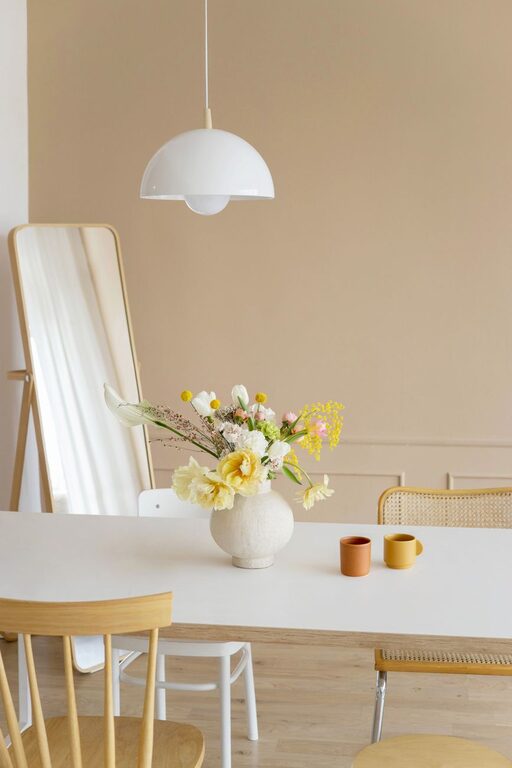
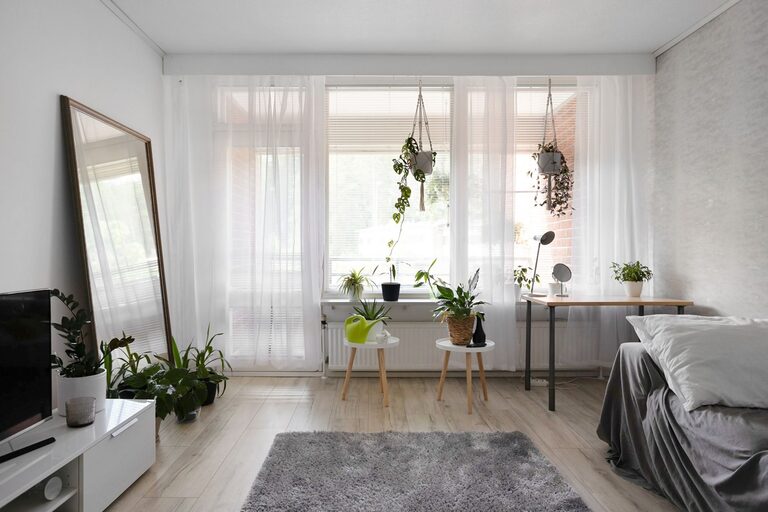
Mirrors can make a dark room feel brighter and more spacious by reflecting both natural and artificial light. Place one across from a window, near a lamp, or on a wall that receives light from another room.
A large mirror creates the strongest visual effect, but a group of smaller mirrors can also work well. Choose frames that match your decor, such as light wood, brushed metal, or a simple painted finish.
Mirrored furniture and small reflective accessories can add brightness too. Glass tables, polished metal frames, and ceramic surfaces help bounce light around the room without requiring a major change.
Avoid covering every surface with reflective items. A few well-placed pieces will create a cleaner and more balanced look.
Keep Windows Clear
Heavy curtains, bulky furniture, and crowded window sills can block valuable daylight. Make the most of your windows by keeping the area around them open and uncluttered.
Consider replacing thick curtains with:
– Sheer panels
– Light linen curtains
– Roller shades
– Simple blinds
– Curtains in pale neutral colors
Hang curtains slightly above the window frame and extend the rod beyond the sides. This can make the window appear larger and allow more light into the room when the curtains are open.
Clean windows also make a noticeable difference. Dust and marks can reduce the amount of light entering the space, so give the glass, frames, and nearby surfaces a regular wipe.
Choose Light and Airy Textiles
Rugs, curtains, cushions, and blankets can either brighten a room or make it feel heavier. Light-colored textiles help create a fresh, open appearance.
Look for materials and shades such as:
– Cream or ivory
– Pale gray
– Soft tan
– Light blue
– Natural cotton
– Linen
– Woven fibers
A light rug can make a dark floor feel less dominant. If you prefer patterned textiles, choose designs with a lighter background and a few gentle accent colors.
You can also brighten the room by switching out dark cushion covers or throws. This is an easy seasonal update that does not require replacing larger pieces of furniture.
Select Furniture With Care
Large, dark furniture can make a room feel smaller, especially when it takes up much of the visual space. If replacing furniture is not practical, look for ways to make the existing pieces feel lighter.
Furniture with exposed legs allows more of the floor to remain visible, which can make the room feel more open. Glass or light wood surfaces also have a less heavy appearance than solid, dark pieces.
Try to avoid placing tall furniture directly in front of windows. Move bookcases, cabinets, and large plants to side walls whenever possible. Keep pathways clear so the room feels easier to move through.
If you are shopping for new furniture, consider:
– Pale wood finishes
– Light-colored upholstery
– Open shelving
– Slim frames
– Transparent or glass surfaces
– Furniture with raised legs
Add Plants and Natural Details
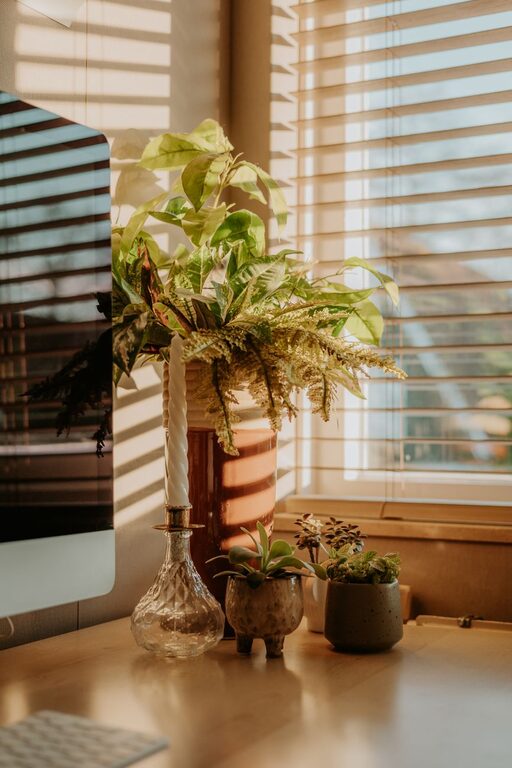
Greenery can bring life and color to a dark room. Choose plants based on the amount of natural light available. Some varieties can handle low-light conditions, while others need a brighter location near a window.
If the room does not receive enough light for live plants, high-quality artificial plants can provide a similar decorative effect. Light-colored planters can add another bright detail.
Natural materials such as rattan, wicker, bamboo, and pale wood also help soften a space. Their texture adds interest without making the room feel visually heavy.
Avoid Overcrowding the Room
Plants and accessories should enhance the space, not block light or make surfaces feel busy. Use a few larger, intentional pieces instead of many small objects. Leave some open areas on shelves, tables, and the floor to maintain a sense of airiness.
Brighten the Floor and Ceiling
The floor and ceiling have a major influence on the room’s overall balance. If the floor is very dark, add a light rug to create contrast. A rug with a subtle pattern can hide everyday marks while still reflecting more light.
The ceiling should usually be lighter than the walls. A pale ceiling draws the eye upward and can make the room feel taller. If the ceiling is low, avoid dark paint and overly large light fixtures that make the space feel compressed.
Use Light-Colored Artwork
Artwork is an easy way to add brightness, personality, and color. Choose prints or paintings with open backgrounds, light tones, or lively but balanced designs.
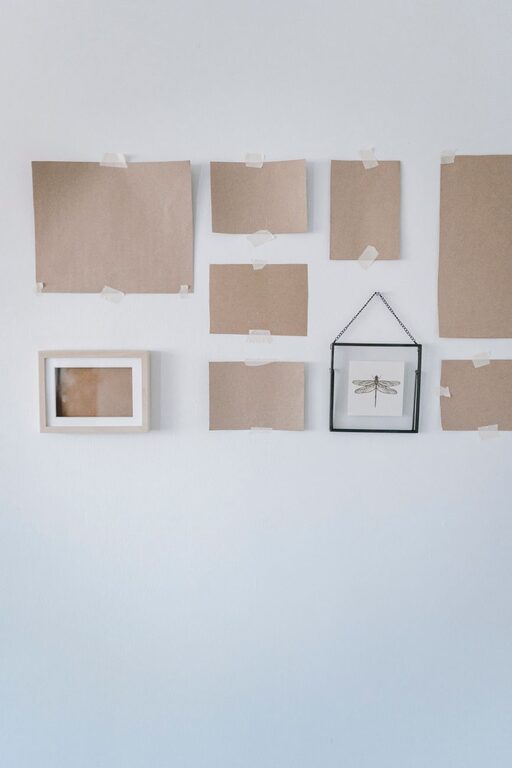
A large piece of bright artwork can become a focal point above a sofa, bed, or console. Alternatively, create a small gallery wall using pale frames and images with plenty of white space.
Artwork should complement the room rather than compete with the lighting. Keep the overall color palette coordinated for a calm, polished appearance.
Make Small Changes First
You do not need to update everything at once. Start with the changes that offer the greatest effect for the least effort:
- Open and clean the windows.
- Replace heavy curtains with lighter options.
- Add a lamp to a dark corner.
- Move furniture away from windows.
- Introduce a mirror opposite a light source.
- Add a light rug or brighter cushions.
- Repaint the walls if the room still feels closed in.
After each change, observe the room at different times of day. Natural light shifts throughout the day, so an arrangement that looks good in the morning may need a small adjustment in the evening.
With a lighter palette, layered lighting, reflective surfaces, and less visual clutter, even a naturally dark room can feel brighter, more spacious, and more inviting.
About the Author