
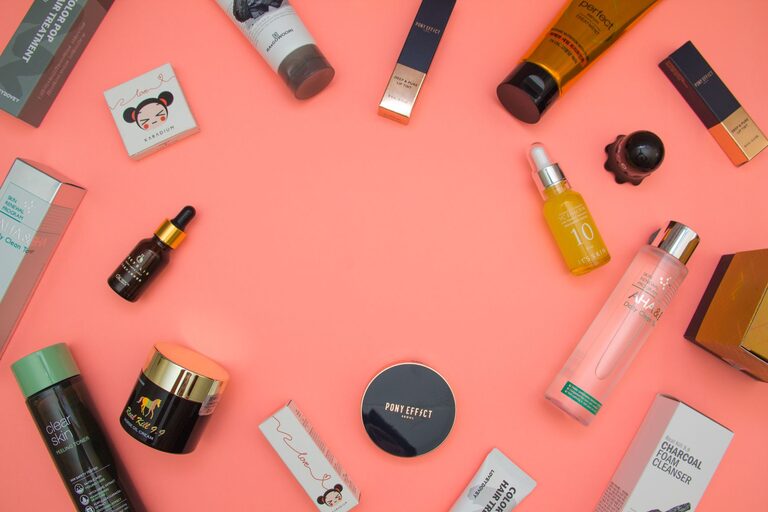
A basic skincare routine does not need to include a long list of products. In fact, starting with a few simple steps can make it easier to stay consistent and understand what works for your skin.
The most common routine includes three essentials: cleanser, moisturizer, and sunscreen. Once these steps become habits, you can consider adding other products based on your personal goals.
Why Keep Your Skincare Routine Simple?
Using too many products at once can make a routine confusing. It can also make it difficult to tell which product is helping or causing irritation. A simple routine gives your skin time to adjust and helps you build steady habits.
A basic routine can help:
– Remove dirt, oil, and makeup
– Support the skin’s natural moisture barrier
– Reduce dryness caused by over-cleansing
– Protect skin from daily sun exposure
– Make it easier to notice changes in your skin
Skin varies from person to person, so there is no single routine that works for everyone. The best routine is one that suits your skin, fits your schedule, and feels comfortable to use regularly.
Step 1: Identify Your Skin Type
Understanding your general skin type can help you choose suitable products. Your skin may also change with the seasons, age, stress, and environmental conditions.
Common skin types
– Normal skin: Usually feels balanced, without excessive oiliness or dryness
– Dry skin: May feel tight, rough, or flaky
– Oily skin: Often looks shiny, especially around the forehead, nose, and chin
– Combination skin: May be oily in some areas and dry in others
– Sensitive skin: May sting, itch, or become red easily after using certain products
You do not need to identify your skin type perfectly. Instead, pay attention to how your skin feels after washing and throughout the day. If a product causes ongoing discomfort, stop using it and look for a gentler option.
Step 2: Choose a Gentle Cleanser
Cleansing removes sweat, excess oil, dirt, and makeup from the surface of your skin. Use a gentle cleanser in the morning, at night, or both, depending on how your skin feels.
Look for a cleanser that:
– Is suitable for your skin type
– Does not leave your skin feeling tight or uncomfortable
– Can remove makeup if needed
– Has a texture you enjoy using
Avoid scrubbing hard or washing with very hot water. Use lukewarm water and massage the cleanser gently with your fingertips. Rinse thoroughly, then pat your face dry with a clean towel.
If your skin feels dry after cleansing, you may be using a product that is too harsh or washing too often.
Step 3: Apply Moisturizer
Moisturizer helps reduce water loss and leaves skin feeling more comfortable. Every skin type can benefit from moisturizing, including oily skin.
Choose a texture based on your preference and skin needs:
– Light lotions or gels: Often feel comfortable on oily or combination skin
– Creams: May be useful for normal or dry skin
– Rich creams or balms: Can feel helpful when skin is very dry
Apply moisturizer while your skin is slightly damp after cleansing. This can help seal in moisture. You do not need a large amount; a small, even layer is usually enough for the face and neck.
If a moisturizer feels greasy, look for a lighter formula. If your skin still feels tight, try a richer product or apply a little more.
Step 4: Use Sunscreen in the Morning
Sunscreen is an important morning step, especially when you plan to spend time outdoors. It helps protect skin from ultraviolet, or UV, exposure that can contribute to sunburn and visible signs of skin aging.
Choose a broad-spectrum sunscreen with an SPF of 30 or higher. Apply it as the final step in your morning skincare routine, after moisturizer. Use enough to cover exposed areas, including the face, ears, neck, and other uncovered skin.
Reapply according to the product directions, especially after swimming, sweating, or spending extended time outdoors. Hats, sunglasses, shade, and protective clothing can also add practical protection.
Sunscreen is useful throughout the year, not only on hot or sunny days. UV exposure can occur during ordinary outdoor activities, even when the weather feels cool.
A Simple Morning Routine
A basic morning routine can be completed in a few minutes:
- Cleanse your face, or rinse with water if your skin does not need a full cleanse
- Apply moisturizer
- Apply sunscreen
- Add makeup, if desired
Some sunscreens include moisturizing ingredients, so you may be able to combine steps. However, use a separate moisturizer if your skin feels dry or uncomfortable.
A Simple Evening Routine
Your evening routine can remove the day’s buildup and support comfortable skin overnight:
- Remove makeup and sunscreen
- Cleanse gently
- Apply moisturizer
If you wear long-lasting makeup, you may need a makeup remover or cleansing balm before your regular cleanser. Avoid rubbing the skin aggressively, particularly around the eyes.
When to Add Other Products
Once your basic routine feels comfortable, you may choose to add one extra product for a specific concern. Examples include products designed for uneven-looking texture, dullness, or excess oil.
Introduce only one new product at a time. Use it consistently for several weeks unless it causes irritation. Adding multiple new products at once makes it harder to identify the source of a reaction.
Follow the product instructions carefully. More is not always better, and using a product more often than recommended may leave your skin feeling dry or sensitive.
Patch testing
Before applying a new product to your entire face, test a small amount on a less noticeable area, such as the inner arm or along the jawline. Wait and observe how your skin responds over the next day or two.
A patch test cannot guarantee that a product will never irritate your face, but it can provide helpful information. Stop using a product if you notice burning, significant redness, swelling, or persistent discomfort.
Common Skincare Mistakes to Avoid
A few simple habits can help prevent unnecessary irritation:
– Changing several products at the same time
– Scrubbing the skin with rough tools
– Washing with very hot water
– Skipping sunscreen during outdoor activities
– Using products that leave the skin tight or burning
– Applying a large amount of every product
– Sharing towels, makeup, or applicators
– Forgetting to clean makeup brushes regularly
It is also helpful to check product expiration information and store products as directed. Keep containers closed when not in use, and avoid dipping unwashed fingers into jars.
How to Stay Consistent
The best routine is one you can maintain. Keep your cleanser and moisturizer where you will see them, and place sunscreen near other morning essentials. If a routine has too many steps, simplify it rather than abandoning it.
Give your routine time. Skin may not look different immediately, and results can vary depending on the products and your individual skin. Focus on comfort, consistency, and protection rather than trying to change everything at once.
If you experience ongoing irritation, painful breakouts, unusual changes, or a skin concern that does not improve, consider speaking with a qualified dermatologist. A professional can help you choose products and habits suited to your needs.
Starting with cleanser, moisturizer, and sunscreen is a practical way to build a basic skincare routine. Keep the steps gentle, introduce changes slowly, and adjust your products as your skin and daily needs change.
About the Author