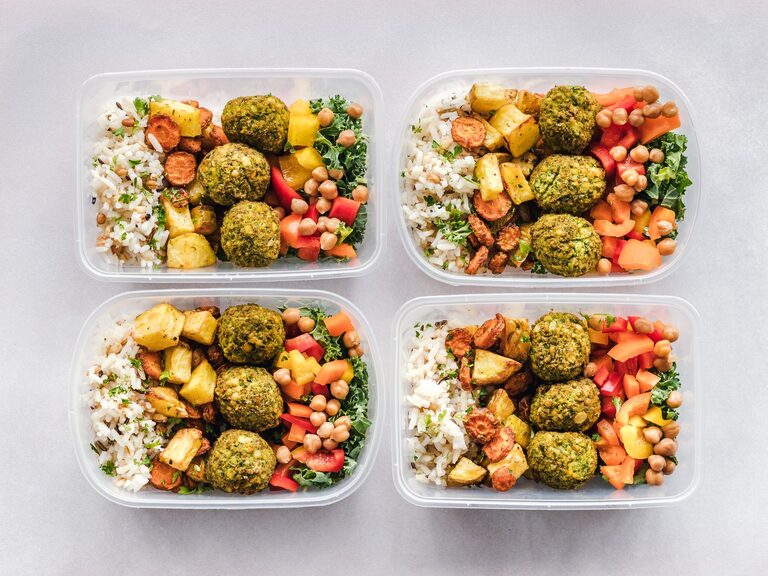
Busy weeks can make cooking feel like one more task on a long list. With a little planning, however, you can prepare simple meals ahead of time and make weekday eating easier. Meal prep does not have to mean spending an entire Sunday in the kitchen or eating the same dish every day. A few smart shortcuts can help you save time, reduce food waste, and enjoy more homemade meals.
Start With a Simple Meal Plan
The easiest way to begin meal prep is to plan a few meals before you shop. You do not need a detailed menu for every breakfast, lunch, dinner, and snack. Start by choosing two or three main meals and a few ingredients that can be used in different ways.
For example, roasted vegetables can be served with rice, added to wraps, or mixed into a salad. Cooked chicken can be used in grain bowls, sandwiches, and pasta. Planning ingredients that work across several meals helps keep your grocery list shorter and your cooking more efficient.
Before making your list, check what you already have in the refrigerator, freezer, and pantry. This can help you use ingredients before they go to waste and avoid buying duplicates.
A Simple Weekly Planning Method
Try this basic approach:
– Choose two main proteins or plant-based options.
– Pick two or three vegetables that can be cooked in batches.
– Add one grain, pasta, or other filling base.
– Select a few sauces, herbs, or seasonings for variety.
– Plan easy breakfasts and snacks that need little preparation.
This structure gives you enough variety without making meal prep complicated.
Build Mix-and-Match Grain Bowls
Grain bowls are one of the most flexible meal prep options. They are easy to customize and can be served warm or cold. Prepare the main ingredients separately, then assemble each bowl when you are ready to eat.
Start with a base such as:
– Brown rice
– White rice
– Quinoa
– Couscous
– Farro
– Roasted or boiled potatoes
Add a protein, such as baked chicken, hard-boiled eggs, beans, lentils, tofu, or cooked fish. Then include vegetables, such as roasted broccoli, carrots, bell peppers, zucchini, cucumbers, or leafy greens.
Finish with a simple sauce. A lemon yogurt sauce, salsa, pesto, hummus, or vinaigrette can change the flavor of the same ingredients. Store sauces separately when possible so the vegetables and grains stay fresh.
Prepare One-Pan Dinners
One-pan meals reduce both cooking time and cleanup. They are especially useful on busy evenings when you want a complete meal without using several pots and pans.
To make a one-pan dinner, combine a protein, vegetables, and seasonings on a baking sheet. Chicken thighs, sausage, tofu, or chickpeas work well with vegetables such as potatoes, green beans, onions, and peppers. Toss everything with oil and seasonings, then bake until the ingredients are cooked through.
You can also prepare sheet-pan fajita ingredients with sliced peppers, onions, and chicken or beans. Serve them with tortillas, rice, or salad throughout the week.
For better results, cut ingredients into similar sizes so they cook evenly. If one ingredient cooks faster than another, add it to the pan later.
Make-Ahead Breakfasts
Preparing breakfast in advance can make mornings much calmer. Choose foods that are easy to portion and store.
Overnight Oats
Combine oats, milk or a milk alternative, yogurt, and your favorite toppings in small containers. Add fruit, nuts, seeds, cinnamon, or a small amount of honey. Prepare several jars at once and refrigerate them for quick breakfasts.
Egg Muffins
Whisk eggs with chopped vegetables, cheese, and cooked meat or beans. Pour the mixture into a greased muffin pan and bake until set. After cooling, store the egg muffins in the refrigerator and reheat them as needed.
Breakfast Burritos
Fill tortillas with scrambled eggs, potatoes, beans, cheese, and vegetables. Wrap each burrito individually and refrigerate or freeze them. Reheat in the microwave or oven for a filling breakfast that can be eaten at home or on the go.
Use Batch-Cooked Ingredients for Quick Lunches
Lunch is often easier when a few basic ingredients are ready to combine. Cook a pot of grains, prepare a tray of vegetables, and make one protein at the beginning of the week. These components can become different lunches with small changes.
For example, use the same ingredients to make:
– A rice bowl with vegetables and salsa
– A salad with greens and vinaigrette
– A wrap with hummus and roasted vegetables
– A pasta dish with pesto and chicken
– A soup topped with grains or beans
Keep fresh toppings, dressings, and crunchy ingredients separate until serving. This helps preserve texture and keeps meals more appealing after storage.
Keep a Few No-Cook Meals on Hand
Not every meal needs to be cooked. No-cook options are useful for especially busy days or evenings when you do not want to turn on the stove.
Try preparing:
– Tuna or chickpea salad
– Hummus and vegetable wraps
– Greek yogurt bowls with fruit and granola
– Sandwiches with sliced vegetables
– Pasta salad with beans and chopped vegetables
– Cheese, fruit, nuts, and whole-grain crackers
These meals can be assembled in just a few minutes and are easy to adjust based on what you have available.
Prep Snacks in Small Portions
Pre-portioned snacks make it easier to choose something quickly between meals. Wash and cut fruit, divide nuts into small containers, or portion vegetables with hummus. You can also prepare energy bites with oats, nut butter, and dried fruit.
Other simple snack ideas include:
– Yogurt with berries
– Popcorn
– Hard-boiled eggs
– Apple slices with peanut butter
– Cheese with whole-grain crackers
– Fresh vegetables with dip
Keeping snacks visible and ready to eat can reduce the temptation to skip meals or reach for less satisfying options.
Store Food for Easy Access
Good storage makes meal prep more successful. Use containers with secure lids and choose sizes that match your portions. Clear containers can help you see what is available, while separate containers for sauces and toppings help prevent soggy food.
Label containers with the meal name or preparation date so older items are used first. Store foods promptly after cooking, and follow safe storage guidance for the ingredients you prepare. If you will not eat a meal within a few days, freezing it may be a better option.
When reheating, add a small splash of water to grains or pasta if they seem dry. Reheat food evenly and stir halfway through when using a microwave.
Keep Meal Prep Manageable
The best meal prep routine is one you can repeat. You do not need to prepare every meal in advance. Even washing vegetables, cooking one protein, or making a batch of rice can save time during the week.
Begin with one preparation session of about an hour. As you become more comfortable, add another recipe or preparation step. Use shortcuts when helpful, such as frozen vegetables, canned beans, prewashed greens, and store-bought sauces.
Meal prep should make your week easier, not create extra pressure. Choose simple recipes, reuse ingredients creatively, and leave room for leftovers or an unplanned meal. With a few dependable habits, busy weekdays can include convenient, satisfying food without requiring daily cooking from scratch.
About the Author