Planning meals for the week can make everyday cooking easier, faster, and less stressful. A simple meal plan does not need to include complicated recipes or a different dish for every day. With a little preparation, you can choose meals your household enjoys, shop with a clear list, and make better use of the ingredients you already have.
The key is to create a plan that fits your schedule. Start small, keep the process flexible, and use meals that are easy to repeat or adjust.
Why Create a Weekly Meal Plan?
A weekly meal plan gives you a clear idea of what to cook each day. This can help reduce last-minute decisions, unnecessary grocery trips, and food waste.
A simple plan can also help you:
– Save time during busy weekdays
– Use ingredients more efficiently
– Avoid buying items you already have
– Prepare some foods in advance
– Include more variety in your meals
– Make weeknight cooking feel more manageable
Meal planning is not about making every day perfect. It is a practical tool that can be changed when your plans change.
Step 1: Check Your Schedule
Before choosing meals, look at the week ahead. Note which days are likely to be busy, which evenings offer more time for cooking, and whether you have plans that include eating away from home.
For example, your schedule may include:
– A late workday on Monday
– A free evening for cooking on Tuesday
– A family activity on Wednesday
– Guests for dinner on Friday
– A relaxed weekend lunch
Match your meals to your available time. Plan quick options for busy days and save longer recipes for evenings when you have more time. If you know you will be away from home, do not plan a meal that requires fresh ingredients for that night.
Step 2: Look at What You Already Have
Check your refrigerator, freezer, and pantry before writing your shopping list. You may already have ingredients that can form the basis of several meals.
Look for items such as:
– Rice, pasta, or grains
– Canned beans, tomatoes, or vegetables
– Frozen vegetables
– Eggs and dairy products
– Fresh vegetables that need to be used soon
– Chicken, fish, meat, or plant-based proteins
– Sauces, spices, and cooking basics
Using what you already have can lower your grocery bill and help prevent food from being forgotten. If you find vegetables that are close to their best, plan to use them early in the week.
Step 3: Choose a Few Flexible Meals
You do not need seven completely different dinners. Start by selecting four or five main meals, then use leftovers or simple combinations for the remaining days.
A balanced weekly plan might include:
– One pasta dish
– One rice or grain bowl
– One soup, stew, or chili
– One sheet-pan meal
– One sandwich, wrap, or salad meal
– One leftover night
– One flexible night for takeout or an unplanned meal
Choose recipes that share some ingredients. For example, a roasted chicken dinner could provide leftovers for wraps, salads, or rice bowls. Cooked vegetables can be used as a side dish one day and added to an omelet or pasta the next.
Flexible meals make it easier to adjust your plan without starting over.
Step 4: Build a Simple Meal Schedule
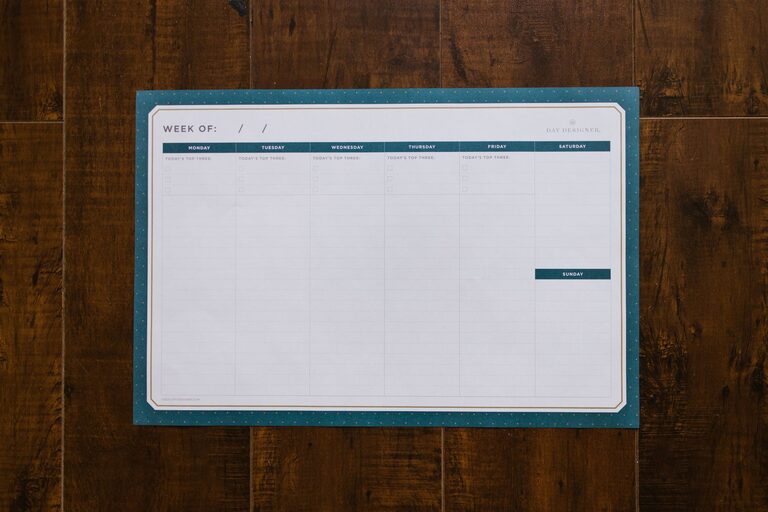
Write your meals on a calendar, planner, or notes app. Include breakfast, lunch, dinner, and snacks if planning these helps your household.
You can use a simple format like this:
Monday
– Breakfast: Oatmeal with fruit
– Lunch: Leftover soup
– Dinner: Pasta with vegetables and a simple sauce
Tuesday
– Breakfast: Yogurt with fruit and granola
– Lunch: Turkey or vegetable wrap
– Dinner: Sheet-pan chicken or tofu with potatoes and vegetables
Wednesday
– Breakfast: Eggs and toast
– Lunch: Rice bowl with beans and vegetables
– Dinner: Quick soup or chili
Thursday
– Breakfast: Smoothie
– Lunch: Leftover sheet-pan meal
– Dinner: Tacos with beans, vegetables, and toppings
Friday
– Breakfast: Cereal and fruit
– Lunch: Sandwich and salad
– Dinner: Homemade pizza or a flexible meal
Weekend
Use the weekend for leftovers, a larger family meal, or recipes that take more preparation. You can also leave one meal unplanned to use ingredients that remain.
Step 5: Create an Organized Grocery List
Once your meals are chosen, write a grocery list by store section. This makes shopping faster and reduces the chance of forgetting important items.
Organize your list into categories such as:
Produce
– Fresh vegetables
– Salad greens
– Fruit
– Fresh herbs
Protein
– Eggs
– Chicken, fish, or meat
– Beans or lentils
– Tofu or other plant-based options
Grains and Bakery
– Bread
– Tortillas
– Rice
– Pasta
– Oats
Dairy and Refrigerated Items
– Milk
– Yogurt
– Cheese
– Butter
Pantry and Freezer
– Canned tomatoes
– Broth
– Frozen vegetables
– Spices
– Cooking oils
– Sauces
Check your kitchen as you write the list so you do not buy duplicates. Also, note how much of each ingredient you need. A short, specific list is more useful than a general list with no quantities.
Step 6: Prepare a Few Ingredients in Advance
Meal preparation does not have to mean cooking every meal on one day. Even 30 to 60 minutes of preparation can make the week easier.
Consider doing a few of these tasks:
– Wash and chop vegetables
– Cook a batch of rice or another grain
– Prepare a pot of soup or chili
– Portion snacks into containers
– Make a simple sauce or dressing
– Cook extra protein for another meal
– Set out dry ingredients for a planned recipe
Store prepared foods in suitable containers and label them when needed. Keep ingredients in forms that make them easy to use. For example, chopped vegetables can be added to salads, stir-fries, omelets, or pasta.
Step 7: Keep One or Two Backup Meals
Unexpected schedule changes are normal. Keep a few easy ingredients available for nights when you do not have time to follow the plan.
Useful backup meals include:
– Pasta with canned tomatoes and vegetables
– Scrambled eggs with toast
– Bean and cheese quesadillas
– Frozen vegetables with rice and a simple sauce
– Soup with bread
– Sandwiches with fruit or a quick salad
A backup meal helps you avoid wasting planned ingredients or making an unnecessary store trip. It also keeps your meal plan practical instead of rigid.
Tips for Making Meal Planning Easier
Repeat Favorite Meals
There is no need to create new recipes every week. Repeat meals your household enjoys and change only one or two ingredients for variety.
Use Similar Ingredients
Plan meals that use overlapping ingredients. A bunch of greens, for example, might work in salads, wraps, pasta, and breakfast dishes.
Plan for Leftovers
Cook enough for another meal when possible. Store leftovers promptly and write them into the next day’s plan so they are not overlooked.
Keep Recipes Simple
Choose recipes with familiar ingredients and a reasonable number of steps. Simple meals are easier to prepare consistently.
Review the Plan at the End of the Week
Take a few minutes to note what worked and what did not. Perhaps one meal took too long, while another was easy and popular. Use that information to improve the following week’s plan.
A Simple Planning Routine
A weekly routine can make meal planning feel automatic. Choose one day to review your schedule, check your kitchen, select meals, and write your grocery list. Then choose another short period for basic preparation.
The entire process may take less than an hour once you become familiar with it. Over time, you will build a collection of reliable meals and shopping lists that can be reused.
The best weekly meal plan is one that fits your real life. Keep it flexible, use ingredients wisely, and leave room for changes. With a simple system, planning meals can save time and make home cooking more enjoyable.
About the Author